Ignaz Semmelweis
The doctor who made washing hands a rule. In 1847 Ignaz Semmelweis proved that hand washing cut deaths of new mothers from around one in ten to about one in a hundred. Nobody believed him.
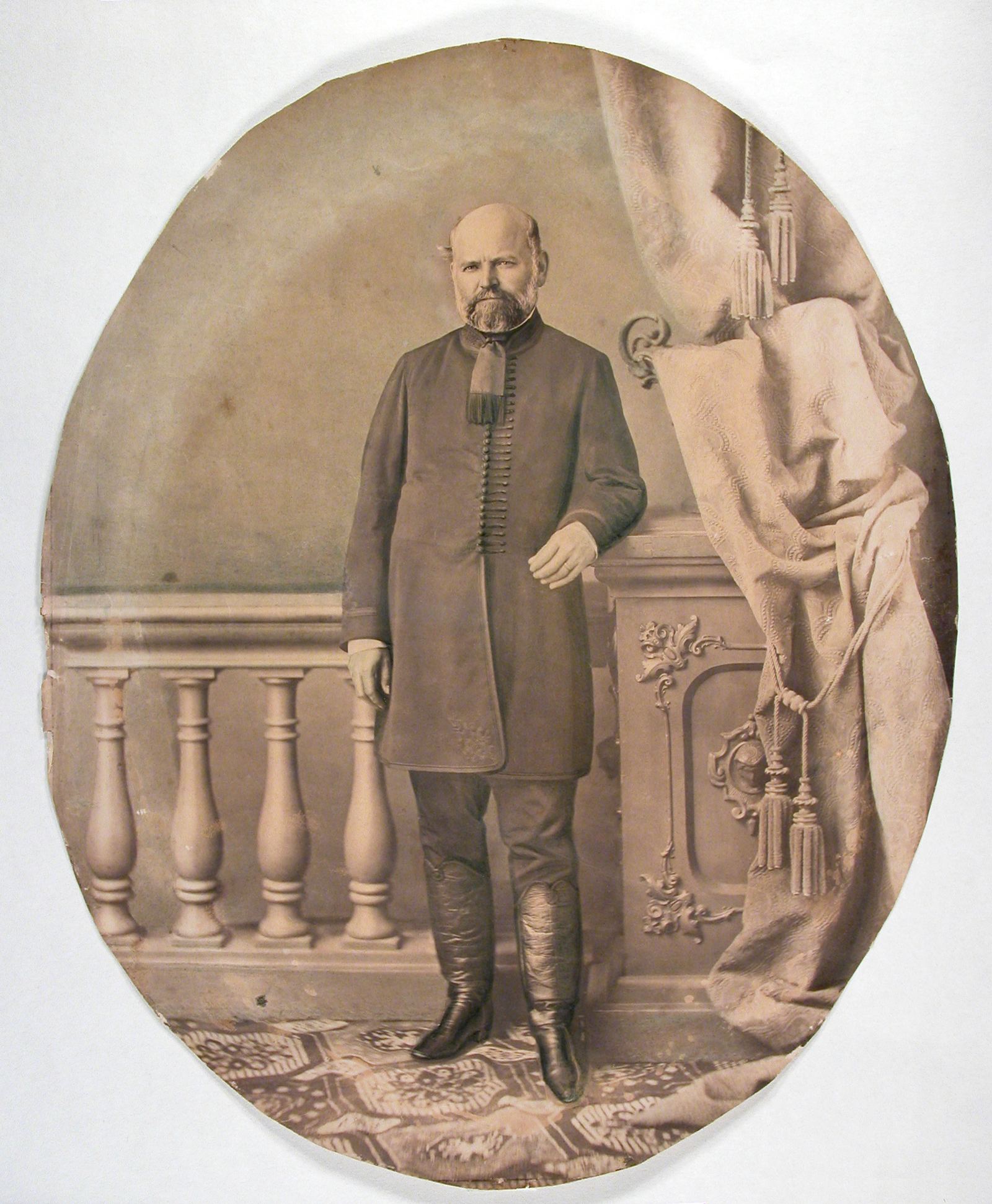
Ignaz Semmelweis, 1864: Ludwig Angerer, Public domain
Two clinics, one mystery
Vienna General Hospital had two maternity clinics in the 1840s. The first was run by doctors and medical students; the second by midwives. Women begged not to be sent to the first clinic, and they had good reason. Far more mothers died there of childbed fever, a raging infection that followed birth.
Ignaz Semmelweis, a young assistant in the first clinic, could not let the difference go. The two wards used the same methods and treated the same kind of patients. The only real difference he could find was who worked there.
The clue from the autopsy room
In 1847 a colleague, Jakob Kolletschka, died after a student's scalpel cut him during an autopsy. His illness looked exactly like childbed fever. Semmelweis realized that doctors and students came to the maternity ward straight from the autopsy room, carrying something invisible on their hands.
He ordered everyone to wash their hands in a chlorinated lime solution before examining patients. The death rate in the first clinic fell within months, from about one mother in ten to around one or two in a hundred. Germs had not yet been discovered. Semmelweis had found the fix before anyone understood the cause.
Right, and rejected
Many senior doctors were insulted by the idea that their own hands were killing patients. Semmelweis was not a diplomat, and he did not publish his findings properly for years. He lost his position in Vienna and returned to Hungary, where he kept saving mothers in Pest and wrote his book in 1861.
He died in 1865 at only 47, still mostly dismissed by the medical establishment. Within two decades the germ theory of Louis Pasteur and the antiseptic methods of Joseph Lister proved he had been right all along.
His name on every sink
Today hand hygiene is the first rule of every hospital, and the simple act of washing before touching a patient saves countless lives every day. A medical university in Budapest carries his name, and the habit of rejecting new evidence because it is uncomfortable is sometimes called the Semmelweis reflex.
He is a reminder that a hero can be a person who is right too early, and who keeps saying it anyway.
- Ignaz Semmelweis, 1864: Ludwig Angerer, Public domain
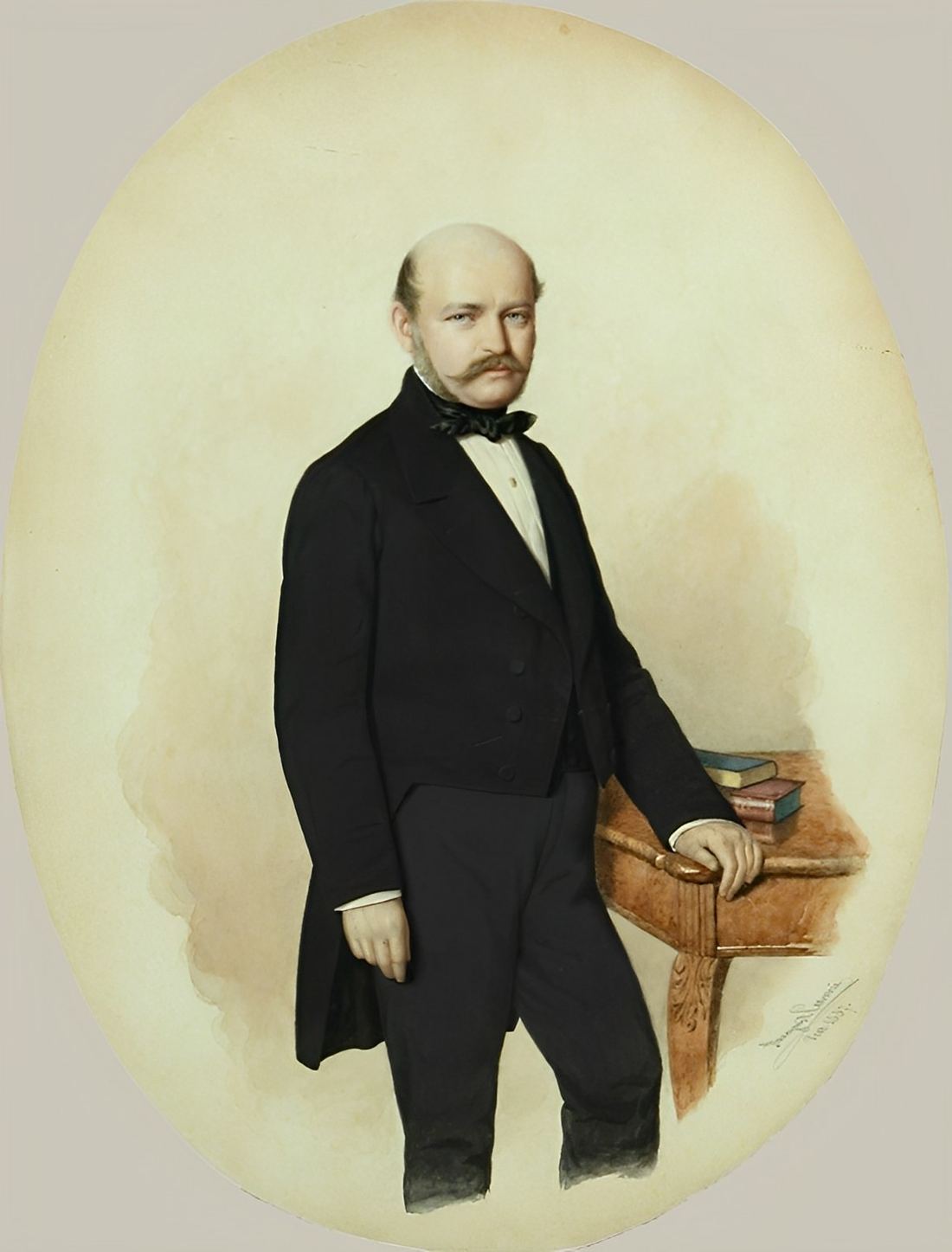
- Semmelweis in 1857: Auguste Alexis Canzi, Public domain
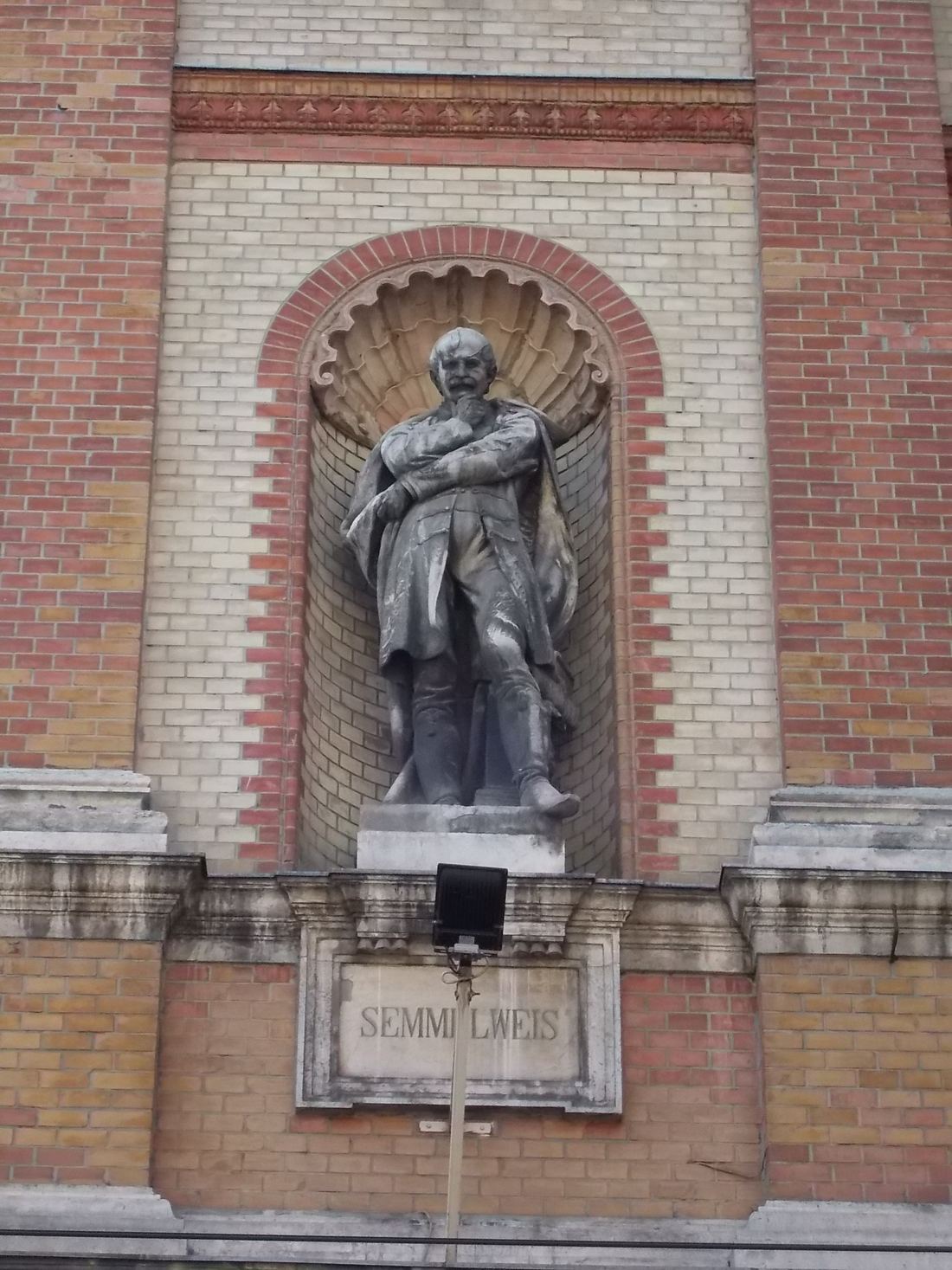
- His statue in Budapest: Globetrotter19, CC BY-SA 3.0
Text written by Next Level Superheroes.